
Click here to register to watch the Video.
Screening will start at 12:00 Noon US EDT; 19:00 Palestine; 17:00 UK.; 18:00 Europe. Duration: 90 M; English Language; July 2026. The screening will be followed by a discussion with the audience.
About the Video
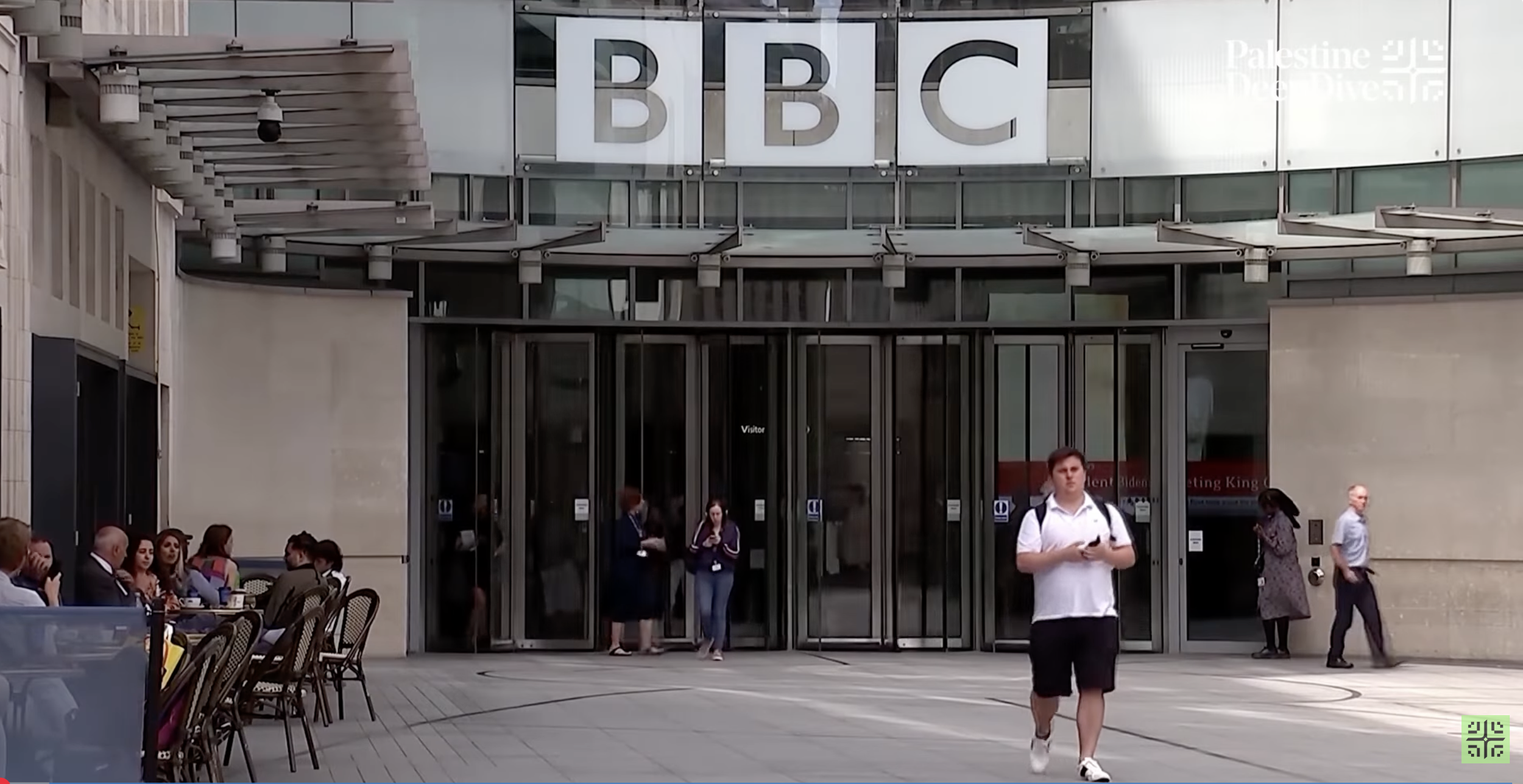
As the genocide in Gaza continues and the occupied West Bank faces accelerating settlement expansion and ethnic cleansing, Britain and the wider West are witnessing a rapid change in the political and media landscape.
What begins as a debate about editorial decisions in a London newsroom ultimately reflects a deeper crisis in Western democracy. The panel argues that the stifling of dissent and the distortion of language around Gaza are warning signs of an increasingly authoritarian media and political ecosystem in the West.
Meet the Panel
Ahmed Alnaouq (Co-host)
To understand the weight of this discussion, it helps to look at the backgrounds of those leading it:
Hala Hanina (Co-host)

Owen Jones
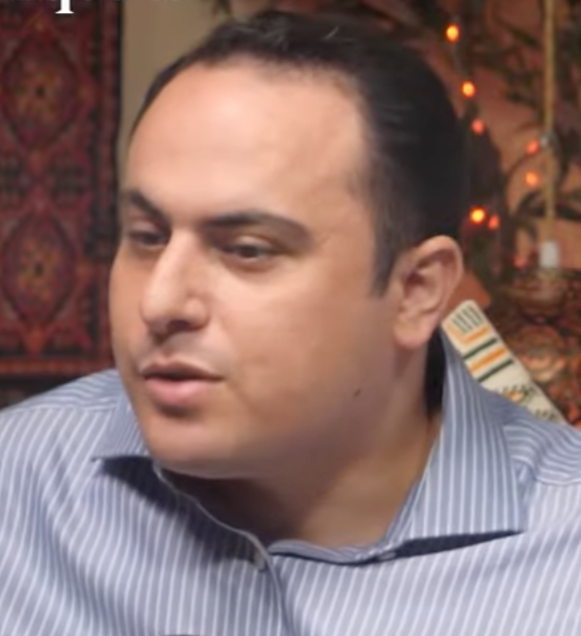
Ahmed Alnaouq (Co-host): A Palestinian journalist from Gaza, Alnaouq is the co-founder of We Are Not Numbers and has been a prominent voice translating the raw, lived realities of Gaza to Western audiences.
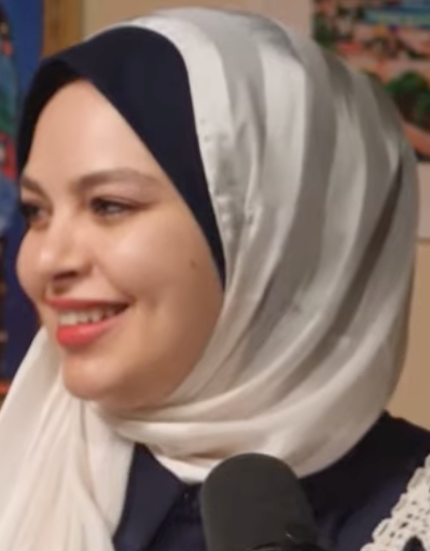
Hala Hanina (Co-host): A Palestinian academic and researcher completing her PhD in politics and sociology.Her work focuses heavily on the intersection of colonial and gendered violence.
Owen Jones: A prominent British columnist, author, and independent journalist who recently left The Guardianafter years of writing. He has been one of the most vocal mainstream commentators in the UK challenging the British establishment and mainstream media narrative on Gaza.
Karishma Patel: A former BBC journalist, newsreader, and Middle East specialist who presented on the BBC News Channel, BBC Two, and BBC Radio 5 Live. Patel famously resigned from the BBC due to what she termed "double standards" and an "Orwellian" atmosphere regarding the broadcaster's editorial choices on Gaza.

Karishma Patel
Core Themes & Insights
The conversation centers on the intersection of journalism, state power, and public dissent in the UK:
1. The BBC and the "Impartiality" Crisis
As a central figure in this debate, Karishma Patel shares firsthand insights into the systemic pressures inside the BBC.
Double Standards on Sources: Patel critiques how the BBC relies heavily on "authority sources" (such as official Israeli military spokespersons) while treating local Palestinian journalists—who are risking their lives on the ground—with suspicion, framing their proximity to the tragedy as "bias" rather than expertise.
Byline Times
The Hind Rajab Story: Patel has previously spoken about pitching coverage for Hind Rajab, the six-year-old Palestinian girl killed by Israeli tank fire, only to be told by editorial heads that she was "too emotionally attached" to the story.
Pulled Documentaries: The panel discusses the broader pattern of institutional caution. For instance, the BBC faced fierce criticism internally and externally after delaying or pulling sensitive investigative documentaries, such as Gaza: Doctors Under Attack.
Council for Arab-British Understanding
2. The Crackdown on Palestine Solidarity in the UK
The British political landscape has seen escalating tension over public protest and freedom of expression.
The Criminalization of Protest: The panel discusses how peaceful student encampments, direct-action groups (like Palestine Action), and public marches are increasingly painted by politicians and right-leaning media as "extremist" or threatening.
Defending Dissent: As an ambassador for Amnesty UK’s "Defend Dissent" campaign, Patel highlights the chilling effect these political pressures have on university campuses and civil society.
3. The Shift to Alternative Media
With public trust in traditional institutions like the BBC at historic lows, the panel discusses the massive migration of audiences to independent, alternative outlets.
Outlets like Palestine Deep Dive, Double Down News, and Novara Media have filled the vacuum, offering uncompromised coverage that directly challenges the Westminster consensus.
This shift has democratized the narrative but has also made independent journalists the targets of financial de-platforming and intense political scrutiny.