
Please click here to register to view the film.
Screening will start at 12:00 Noon US EDT; 18:00 Europe; 17:00 UK; 19:00 Palestine, running time, 17 minutes, documentary, 2023, English, and Arabic with English subtitles. The film screening will be followed by discussion with audience.
Synopsis
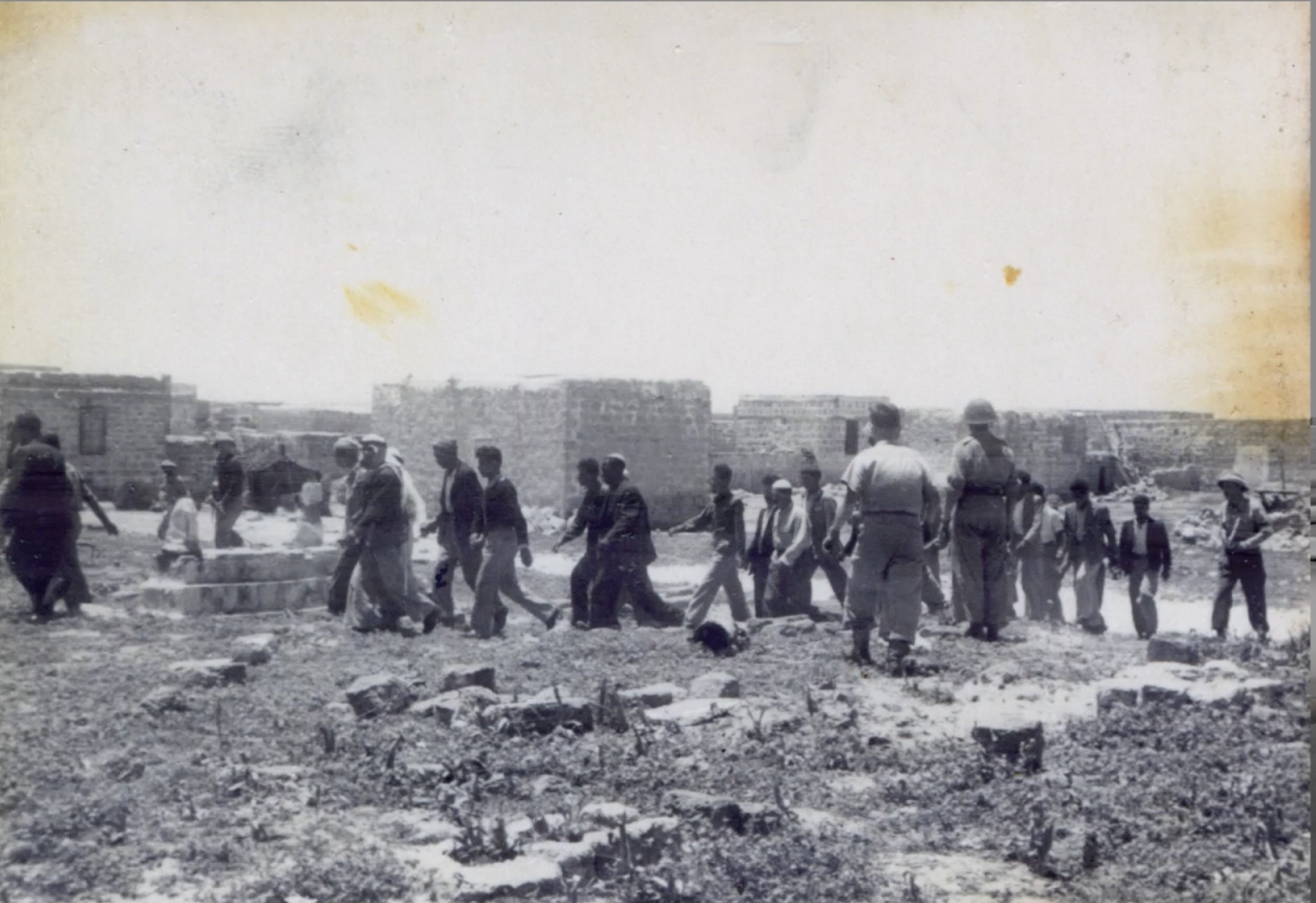
On the night of 22-23 May 1948, one week after the establishment of the State of Israel, the Palestinian fishing village of Tantura was attacked and occupied by the 33rd Battalion of the Alexandroni Brigade, later made part of the Israeli army. Within hours of occupying the village, Israeli forces and intelligence units conducted a systematic massacre of disarmed Palestinian fighters and civilians.
Details
Both the historical record and the testimonies of survivors captured by scholars and filmmakers reference the existence of several mass graves dug in Tantura on the 23rd of May 1948. These graves had been created to hold the bodies of Palestinian civilians and fighters killed during the battle for control of the village, as well as those executed after its occupation.
Commissioned by the Haifa-based legal centre Adalah, Forensic Architecture has spent the past year conducting a comprehensive analysis of the available cartographic, testimonial, and photographic evidence related to the Palestinian village of Tantura before and after the 1948 war, with the aim of:
locating and outlining the original village cemeteries;
identifying and measuring evidence of any additional mass graves [1] visible in the available aerial imagery of the site, dug after the occupation of the village by Israeli forces on 22-23 May 1948;
assessing the possible explanations for the appearance of the additional mass grave(s); and
determining whether there is visual evidence that any of the additional mass grave(s) were at any point in time unearthed and the bodies exhumed and removed.
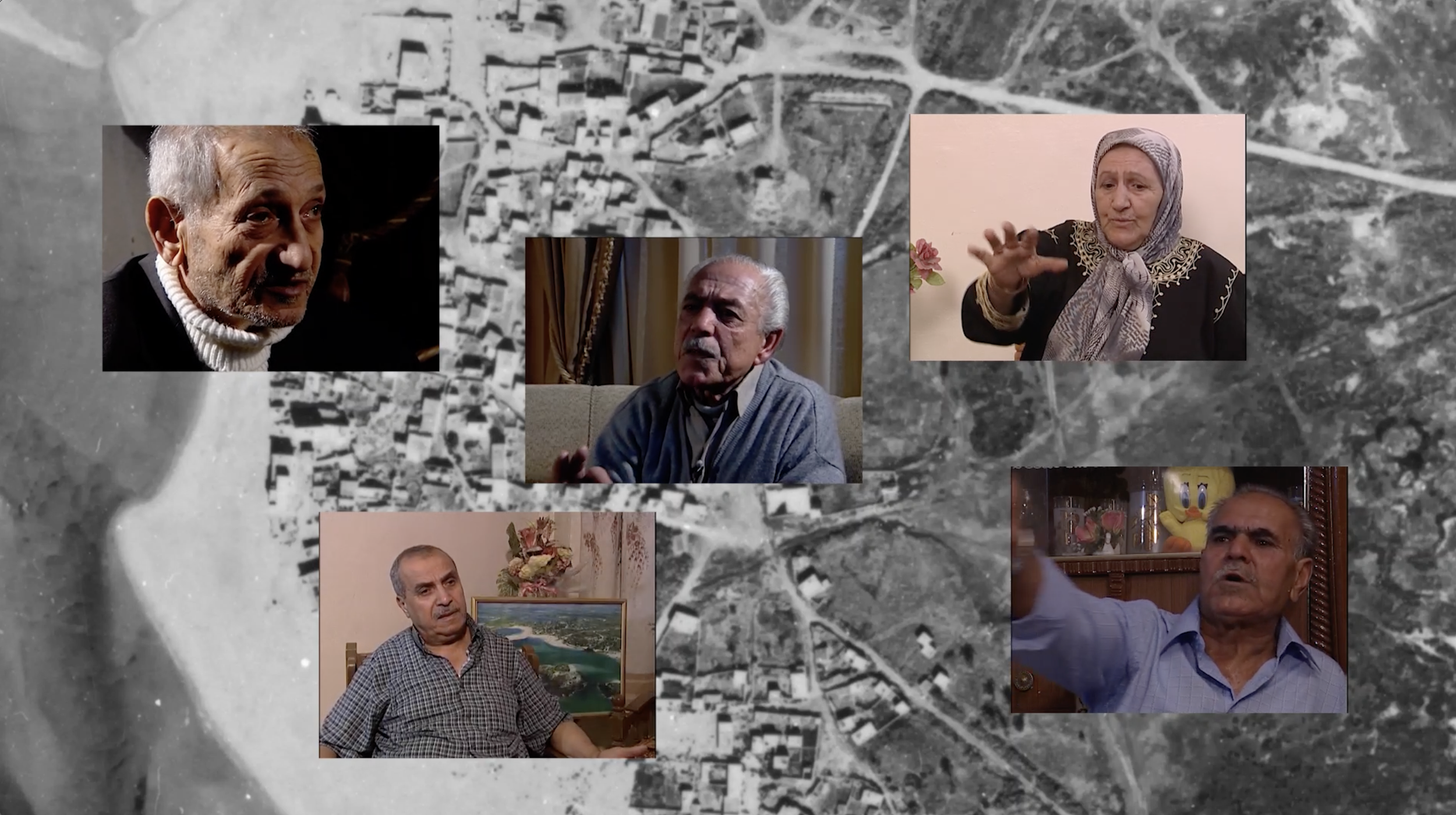
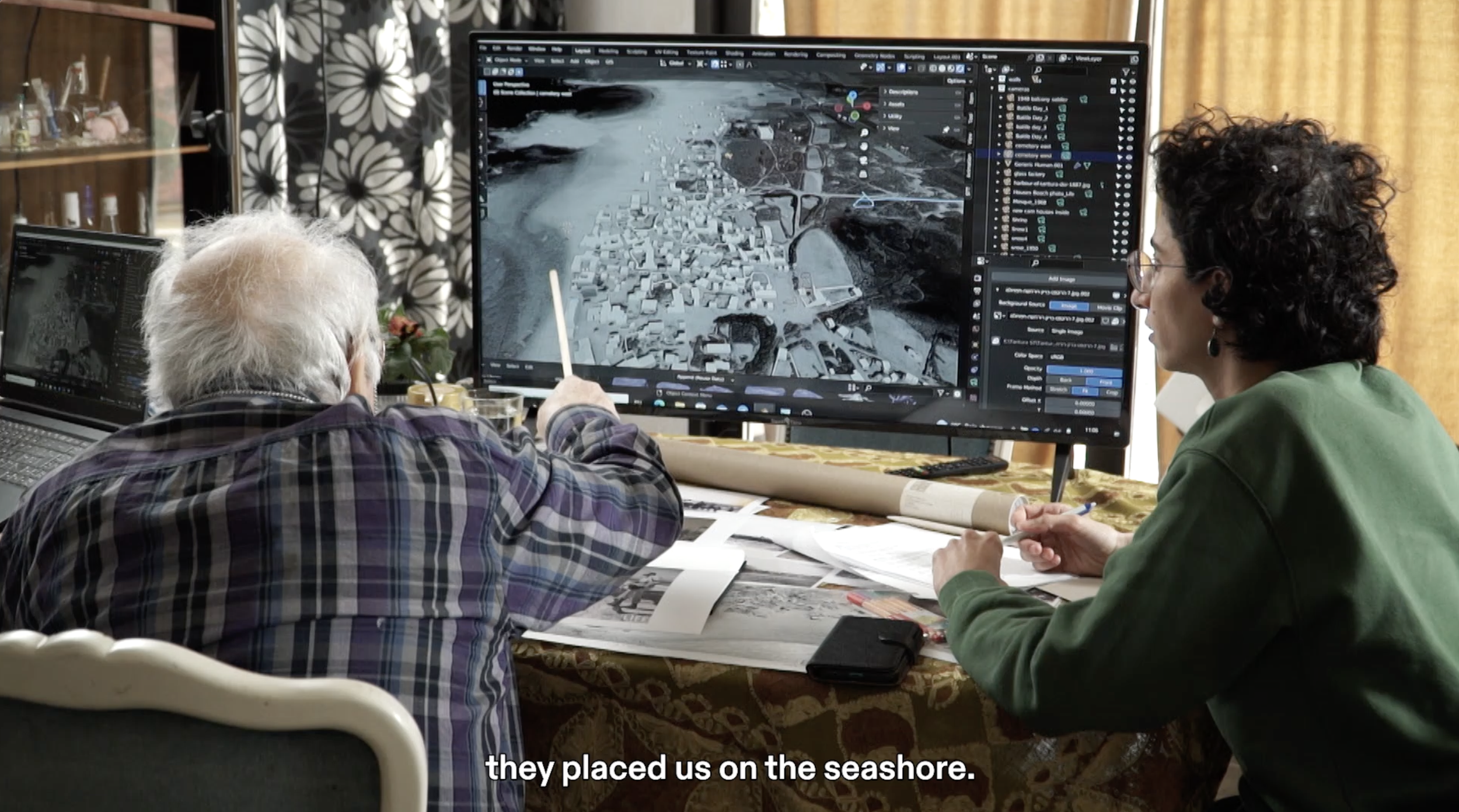
Using archival maps, photographs and videos (including previous documentary films about the fall of Tantura), aerial photographs and satellite images, village surveys, memory sketches drawn by former residents of Tantura living in exile, an original survey of the village’s remaining buildings, and a ‘situated testimony’ interview with a living survivor of Tantura, we created a model of Tantura—reconstructing a place long since wiped from the contemporary landscape. The model reveals two key sites, which are very likely mass graves from the time of the village’s occupation—one previously unidentified.
Our methodology and findings are detailed in a report that constitutes one element of a historic legal initiative undertaken by Adalah, which seeks to have the sites of mass graves officially recognised and demarcated. As part of our investigation, we also created a platform that hosts a navigable 3D reconstruction of the village of Tantura prior to its occupation and subsequent destruction, within which archival sources are geolocated. This model is accompanied by a map, which shows the locations of the two mass graves—as well as the locations of further suspected mass graves. In the accompanying video, we foreground the voices of survivors, including Adnan Yahya’s, bringing together our research with the testimonies of survivors from the past 75 years. Taken together, the component parts of our investigation demonstrate the ways in which the memory of the land supports the memory of its inhabitants.